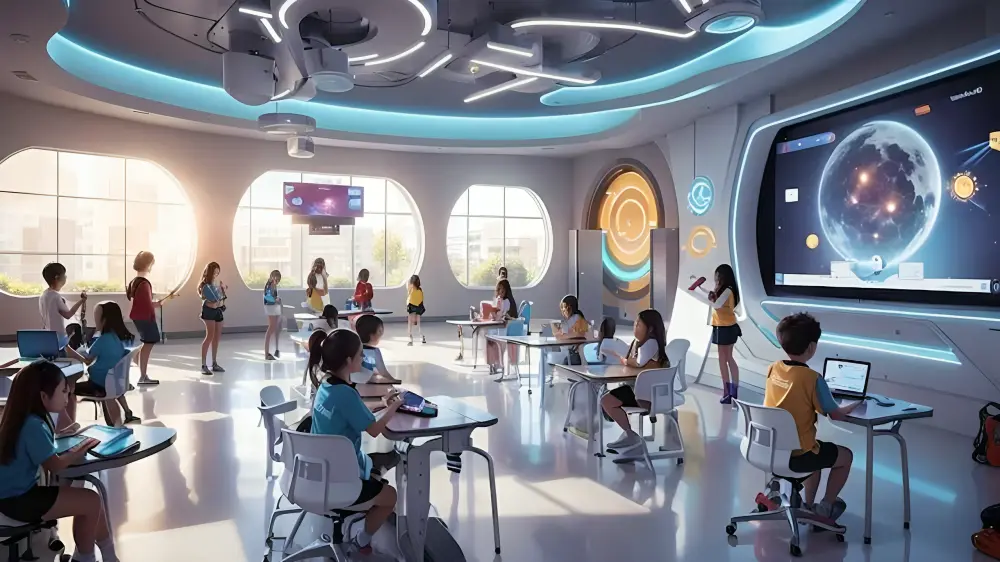
Education today looks very different from what most adults experienced in school. Learning becomes hard, challenging, and disinterest at a quick rate when the students find their information processing rigid. Due to this changing pattern, educational institutions and teachers are seeking to reformulate the day-to-day operations of a classroom. Classroom 15x is one of the concepts that are still being discussed.
As opposed to a tool or a one-platform, Classroom 15x is a method of organizing a learning process in a manner that suits the contemporary student behavior. It is devoted to flexibility, regular feedback, and meaningful structure. When used properly, it enables the teachers to be quicker in response, students to be better engaged and education to become more natural rather than forced.
Classroom 15x: Meaning and Core Definition
Classroom 15x is a structured learning model designed to improve how teaching, space, and feedback work together inside a classroom. It moves away from static rows and long lectures and instead supports adaptable layouts, short learning segments, and regular understanding checks. The approach prioritizes clarity and momentum over volume and repetition.
The term “15x” does not represent a strict formula or metric. It symbolically reflects faster response cycles and stronger engagement. Many educators describe noticeable improvements in student focus and participation after adopting Classroom 15x principles. These improvements usually appear gradually rather than overnight, which helps schools adjust without disruption.
Why Classroom 15x interpreted in Different Ways?
Online descriptions of Classroom 15x often feel inconsistent because different professionals highlight different elements of the model. Designers emphasize physical space, technology teams focus on data systems, and teachers concentrate on engagement and pacing. Each perspective explains only part of the full picture.
When Classroom 15x is viewed through a single lens, it appears incomplete. The model works best when space, teaching methods, and tools support one shared learning goal. Schools that understand this balance are more successful in implementation.
Common Interpretations and Focus Areas
| Perspective | Primary Focus |
| Learning designers | Flexible layouts and learning zones |
| Technology teams | Analytics, dashboards, and assessments |
| Educators | Engagement, pacing, and understanding |
Once these elements align, the classroom begins to function as a connected system rather than separate parts.
How Classroom Space Influences Learning Behavior
Physical space strongly affects how students behave and interact. Traditional rows encourage silence and passive listening, while flexible arrangements encourage discussion and collaboration. It builds on this understanding by replacing fixed layouts with adaptable learning zones.
Instead of one seating arrangement for all activities, teachers create areas that match different learning needs. Students move between these zones depending on the task, which helps reset attention and maintain energy throughout the lesson.
Typical Learning Zones in Classroom 15x
- An instruction area for short explanations
- Group tables for teamwork and discussion
- Quiet corners for individual focus
- Creative spaces for presentations or projects
Teachers often notice that discipline issues reduce naturally because students feel trusted and involved rather than controlled.
Classroom 15x Teaching Methods That Support Learning Flow
Teaching approach matters more than furniture or devices. It favors short, focused learning cycles instead of extended lectures. These cycles help students process information in manageable portions and reduce cognitive overload.
Project-based learning fits naturally within this structure because students apply concepts rather than memorize them. Teachers check understanding frequently and adjust instruction immediately. This flexibility keeps lessons aligned with student progress instead of fixed lesson plans.
A Typical Classroom 15x Lesson Structure
| Stage | Purpose |
| Short explanation | Introduce or clarify a concept |
| Active task | Apply learning through practice |
| Quick feedback | Identify gaps or strengths |
| Adjustment | Reinforce or extend learning |
This cycle repeats during a class period, creating steady learning momentum.
Classroom 15x and Smart Use of Educational Technology
Technology supports Classroom 15x, but it never leads the classroom. The focus remains on simplicity and usefulness. Schools using this model often limit platforms to reduce confusion and cognitive load for students and teachers.
Educational technology helps with assignment management, quick assessments, and progress tracking. Tools are selected only if they save time or improve clarity. When technology becomes distracting or redundant, it is removed.
Common Tool Categories in Classroom 15x
| Tool Type | Purpose |
| Learning management system | Centralized content and submissions |
| Assessment tools | Fast understanding checks |
| Creation software | Student output and expression |
| Analytics dashboards | Monitor progress trends |
Effective technology use strengthens teaching rather than replacing it.
Classroom 15x Feedback Cycles and Learning Data
One of the defining features of Classroom 15x is rapid feedback. Students learn better when confusion is addressed early instead of weeks later. Teachers often check understanding every fifteen minutes to ensure concepts are clear before moving forward.
These short feedback loops help students stay confident and reduce anxiety around assessments. Data collected is used for guidance, not pressure.
Common Indicators Tracked
- Response time during activities
- Number of practice attempts
- Focus and participation levels
- Skill progression over time
When students see progress clearly, motivation improves naturally.
Budget Planning for Classroom 15x Implementation
Classroom 15x does not require large budgets to begin. Many schools start with small adjustments and expand based on results. Flexible furniture and basic tools often deliver strong early impact.
Estimated Investment Levels
| Level | Approximate Cost | Primary Changes |
| Entry level | $750–$1,500 | Mobile boards and seating |
| Mid level | $3,000–$8,000 | Modular tables and projection |
| Advanced | $12,000+ | Full modular and acoustic setup |
Gradual growth keeps implementation sustainable. Investments are most effective when guided by visible improvements rather than trends. Schools that track outcomes before upgrading tend to achieve better long-term value.
Measuring Classroom 15x Success in Real Terms
Success in Classroom 15x is measured through observable learning outcomes. Schools monitor participation, task completion, and concept mastery over time. These indicators show whether changes are truly helping students learn.
When improvements appear consistently, schools refine and expand their approach. This evidence-based mindset prevents unnecessary changes and supports long-term stability.
Common Classroom 15x Implementation Challenges
Even strong ideas can fail if applied without planning. Classroom 15x requires thoughtful pacing and teacher preparation. Rushing adoption often leads to confusion or resistance.
Mistakes Schools Should Avoid
- Buying tools without teacher training
- Offering too many choices without structure
- Ignoring accessibility needs
- Copying another school’s setup blindly
Successful classrooms evolve through observation and adjustment.
Conclusion
Classroom 15x succeeds because it respects how students learn and how teachers teach. By combining flexible space, responsive instruction, and regular feedback, it transforms classrooms into active learning environments. When implemented thoughtfully, Classroom 15x strengthens focus, confidence, and connection. Schools that grow into the model gradually experience lasting improvements rather than short-term change.
Read More