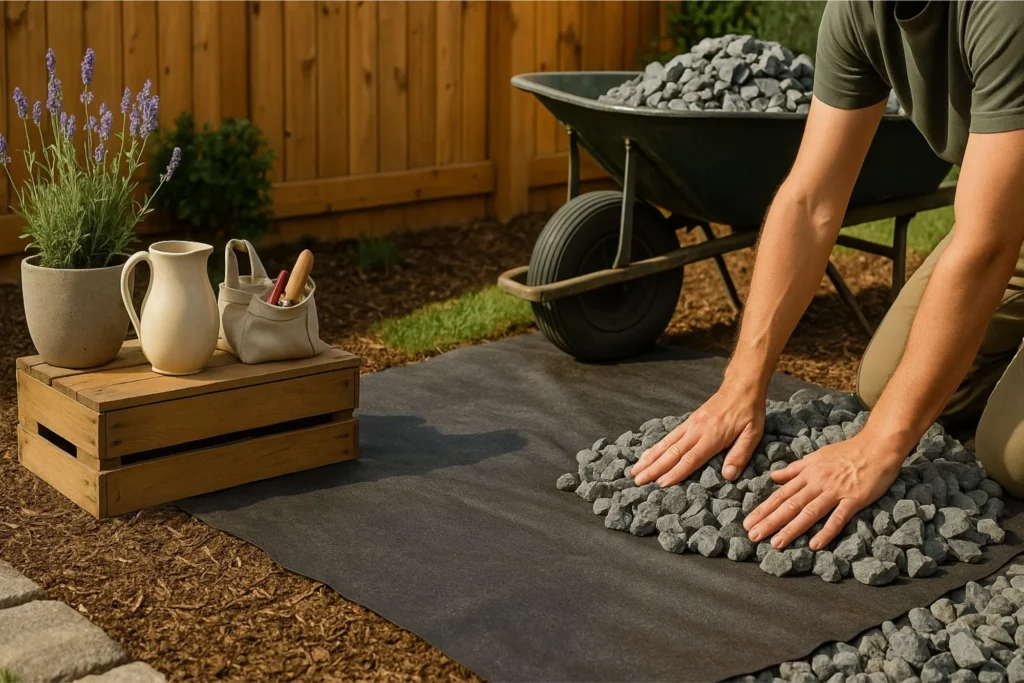
Staring at a massive pile of soil or a stack of concrete pavers can make any weekend DIY project feel incredibly daunting. Most homeowners underestimate the sheer volume of materials required to reshape a backyard. They start with good intentions, filling up the boot of the car with small, expensive bags from a local hardware franchise. Three trips later, reality sets in. Your car suspension is groaning, your wallet is lighter, and you have barely covered a single garden bed. Tackling a major outdoor renovation requires a smarter approach to logistics.
Sourcing Materials Efficiently
When you are shifting cubic metres of material instead of kilograms, buying retail bags is highly inefficient. It wastes time, costs twice as much, and leaves you with dozens of plastic bags to discard. Sourcing your turf, aggregate, and organic matter from a dedicated bulk yard is the only logical choice for large-scale work.
Instead of driving across town multiple times, smart homeowners use a search engine to look up reliable local suppliers by searching with keywords like landscape supplies near me to arrange a single bulk truck delivery. Having a commercial tip truck drop five cubic metres of organic mix right onto your driveway completely changes the workflow of your weekend. It allows you to focus your energy on moving the material rather than transporting it.
The Benefits of Commercial Delivery
Opting for a professional transport service streamlines your entire project timeline by removing the exhaustion of double-handling materials. It ensures your heavy aggregates and fragile turf varieties arrive in optimal condition, fresh from the supplier, without structural spoilage.
- Value for Money: Bulk rates per tonne or cubic metre are vastly superior to retail packaging.
- Consistency: Ordering a single load guarantees your soil or mulch matches perfectly in texture and colour across the entire area.
- Saves Wear and Tear: Keeps heavy, abrasive grit out of your personal vehicle.
Calculating Your Volumes Correctly
Running out of material halfway through laying turf or pouring a concrete garden path ruins your momentum. However, ordering too much will leave you with a large pile of excess gravel sitting on your lawn. You need to do the calculations correctly to avoid this.
To get the volume you require, multiply the length of your space by the width, and then multiply that number by your intended depth. For example, a garden bed measuring 10 metres long by 2 metres wide that needs 100mm of topsoil requires exactly two cubic metres ($10 \times 2 \times 0.1 = 2$). Always add a 10% margin to your final figure. Raw earth and organic mixes compact significantly after they are spread and watered down.
Managing the Delivery Zone
A bulk delivery saves your back, but it requires some advance preparation to ensure the drop goes smoothly. A commercial truck needs clear access and a solid surface to tip heavy loads safely.
Delivery Day Checklist
Before the truck arrives, you must actively clear the path to prevent costly site delays or property damage. Establishing a precise drop boundary keeps your household safe and ensures the driver can maneuver without structural obstructions.
- Check Overhead Obstacles: Ensure there are no low-hanging power lines or tree branches above your target drop zone.
- Prepare Your Driveway: Lay down a large tarp before the truck arrives to make cleanup easier and prevent concrete staining.
- Inform the Neighbours: Make sure that the road is free of parked vehicles, enabling the delivery driver to back in smoothly.
Never request a heavy truck to drive over residential lawns or light greywater pipes. The extreme weight will collapse underground drainage pipes and leave deep, permanent ruts in soft soil. Keep the delivery point restricted to solid ground, like a driveway or a hard gravel verge.
Conclusion
Taking on a major outdoor transformation is hard work, but proper logistics make the process manageable. Stop wasting weekends buying premium materials by the bag. Nail down your structural volumes, establish a tidy drop-off zone, and schedule a bulk delivery from a trusted local supplier. Getting your bulk materials delivered directly to your project site saves you money and keeps your sanity intact, so you can finish the job right.