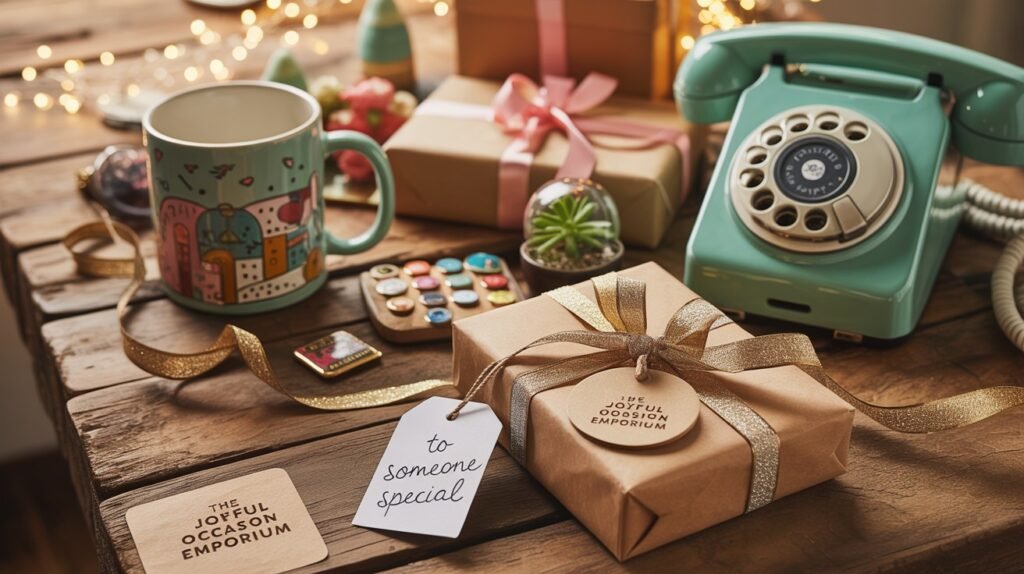
Choosing a gift often feels more complicated than it should. Many people worry about price, trends, or whether their choice will impress, yet still feel unsure at checkout. The real challenge is not finding something expensive or popular, but finding something that fits naturally into another person’s life. This is where whatutalkingboutwillis gifts become relevant, because they shift attention away from flashy purchases and toward genuine observation.
When gifting is done with care, it feels effortless to the receiver. The item makes sense, feels useful, and carries quiet meaning. Instead of becoming clutter or a forgotten item, it becomes part of someone’s daily routine. This article explains what thoughtful gifting truly means, how to approach it with confidence, and how Whatutalkingboutwillis gifts help create lasting impressions without unnecessary pressure.
Whatutalkingboutwillis Gifts: The Meaning of Thoughtful Giving
Thoughtful gifting is not defined by cost or packaging. It is defined by relevance. Whatutalkingboutwillis gifts represent a style of giving where the focus stays on the person receiving the gift rather than the act of gifting itself. This approach values observation, timing, and small details that often go unnoticed.
Instead of guessing, this mindset encourages paying attention to habits, routines, and preferences. When a gift reflects something real about a person’s life, it immediately feels intentional. As a result, the gift carries emotional weight even if it appears simple. That emotional connection is what separates thoughtful gifts from forgettable ones.
Why Whatutalkingboutwillis Gifts Matter in Modern Gifting Culture
Modern gifting culture often prioritizes speed and convenience. Online platforms offer endless suggestions, yet many of those items lack personal relevance. Whatutalkingboutwillis gifts matter because they slow the process down and refocus it on human connection.
People today receive more items than ever, but fewer meaningful ones. A thoughtful gift stands out because it feels considered rather than automated. When someone recognizes that effort, the gift becomes more than an object. It becomes a reminder that someone cared enough to pay attention.
How to Identify the Right Gift Without Asking Directly
Most people unintentionally reveal what they need or like during normal conversations. You just need to listen carefully. A comment about a broken item or a repeated frustration is often a perfect gifting clue.
When choosing whatutalkingboutwillis gifts, observation replaces guessing. This method avoids awkward situations where gifts feel irrelevant or unused.
Helpful listening cues include:
- Complaints about worn-out or inefficient items
- Repeated mentions of hobbies or interests
- Casual remarks like “I need to replace this someday.”
Keeping a simple note on your phone can help you remember these details until the right occasion arrives.
Matching Gifts to Different Personality Types
People value gifts differently based on personality. Some appreciate practicality, while others care more about emotional significance. Understanding this difference improves how whatutalkingboutwillis gifts are received.
Below is a simple table that aligns personality traits with thoughtful gift directions.
| Personality Type | Gift Focus | Example |
| Practical | Daily improvement | Workspace organization item |
| Creative | Expression support | High-quality notebook |
| Sentimental | Emotional meaning | Custom photo print |
| Minimalist | Quality essentials | Handmade ceramic mug |
Choosing a gift based on personality ensures the item feels appropriate rather than random. This alignment increases the likelihood that the gift will be used and remembered.
Creating Meaning Through Everyday Use
A thoughtful gift often becomes meaningful through repetition. When someone uses an item daily, it slowly becomes part of their routine. It emphasizes this idea by prioritizing usefulness over novelty.
An item that quietly improves a daily task has lasting value. Each use reinforces the thought behind the gift. Over time, the gift becomes associated with comfort, efficiency, or enjoyment, which strengthens emotional connection without requiring constant attention.
The Role of Presentation in Whatutalkingboutwillis Gifts
How a gift is presented often determines how it is interpreted. Even a simple item can feel meaningful when the presentation feels intentional rather than rushed or excessive.
1. Clean and simple wrapping supports sincerity
Minimal wrapping keeps the focus on the gift itself. Neutral colors, basic materials, and uncluttered design signal care without distraction. This approach avoids overwhelming the recipient and sets a calm tone from the start.
2. Handwritten notes add personal context
A short handwritten message explains the reason behind the gift. When the giver shares a brief thought or memory, the gift gains emotional grounding. This context often matters more than decorative elements.
3. Timing influences emotional impact
Presenting a gift during a relaxed moment allows the recipient to fully experience it. Quiet timing creates space for appreciation, whereas rushed exchanges reduce emotional connection.
Practical Example of Whatutalkingboutwillis Gifts in Action
Consider a workplace scenario where gifting often feels impersonal. Many people choose safe items like mugs or generic accessories. One individual noticed a coworker who enjoyed making coffee but struggled with an outdated measuring tool. Instead of choosing a novelty item, the gift addressed that small inconvenience.
The result was appreciation rooted in usefulness. The coworker used the gift daily and often mentioned it positively. This example reflects how whatutalkingboutwillis gifts succeed by solving real problems rather than adding unnecessary items.
Common Mistakes That Reduce the Impact of Gifts
Many gifts fail because the focus shifts away from the recipient and toward convenience, assumptions, or personal taste. These mistakes are subtle, yet they dramatically affect how a gift is received and remembered.
1. Choosing Based on Personal Preference Instead of Recipient Needs
A common mistake occurs when people buy gifts they personally enjoy, assuming the recipient will feel the same way. This approach ignores differences in lifestyle, taste, and habits. When a gift reflects the giver more than the receiver, it often feels disconnected. Over time, such items remain unused, which reduces their emotional significance.
2. Relying on Generic or Overused Gift Options
Popular gift ideas feel safe, but they rarely feel special. Items that are mass-chosen often lack individuality and context. When someone receives something they have already received multiple times, the emotional response weakens. Thoughtful gifting requires moving beyond predictable choices.
3. Waiting Until the Last Moment to Decide
Rushed decisions usually lead to surface-level choices. When gifting is delayed, observation and reflection are replaced by urgency. This results in gifts that feel transactional rather than meaningful. Timing plays a major role in how intentional a gift appears.
4. Over-customizing Without Understanding Context
Customization can strengthen a gift, but excessive or premature personalization may feel awkward. Names, messages, or designs without shared context can create discomfort. Personal details should feel earned through familiarity, not forced through assumptions.
When Simple Choices Strengthen Whatutalkingboutwillis Gifts?
Not every situation calls for deep personalization. Sometimes simplicity communicates respect and understanding. Consumable items or experiences often work well when familiarity is limited. Whatutalkingboutwillis gifts remain effective in these cases because they still rely on relevance rather than excess.
A thoughtfully chosen book, a specialty item, or a small experience allows enjoyment without obligation. These choices feel safe yet intentional, which makes them suitable for both personal and professional relationships.
What Makes Whatutalkingboutwillis Gifts Memorable?
Memorable gifts blend seamlessly into daily life. They do not demand attention, yet they quietly add value. Whatutalkingboutwillis gifts succeed because they respect routines and preferences. Over time, these gifts become associated with comfort or efficiency. That association strengthens memory and appreciation. This is why thoughtful gifts are remembered long after the occasion ends.
Whatutalkingboutwillis Gifts Across Different Occasions
The principles behind thoughtful gifting apply across all occasions. Birthdays, professional milestones, and casual moments all benefit from this approach. It adapt easily because they are based on observation rather than tradition.
Different occasions influence how gifts are perceived. The table below explains how whatutalkingboutwillis gifts adjust across contexts.
| Occasion | Focus | Gift Direction |
| Birthday | Personal relevance | Habit-enhancing items |
| Work event | Professional balance | Practical neutral tools |
| Holidays | Comfort | Familiar everyday upgrades |
Understanding these differences helps ensure the gift feels well-matched rather than misplaced. Tone and scale may change, but the core idea remains the same. The gift should feel appropriate, useful, and considerate within the context of the relationship.
Why Attention Outperforms Trends in Gifting?
Trends change quickly, but habits remain consistent. Whatutalkingboutwillis gifts outperform trendy items because they are rooted in real behavior. When gifting focuses on attention rather than popularity, it remains relevant longer. This approach reduces waste and increases satisfaction. The gift fits naturally into the recipient’s life instead of competing for attention.
Conclusion: How Whatutalkingboutwillis Gifts Redefine Thoughtful Giving
Thoughtful gifting does not require perfection or excess. It requires awareness, patience, and genuine care. Whatutalkingboutwillis gifts represent a mindset where attention becomes the most valuable resource. When you notice small details and act on them, gifting becomes meaningful rather than stressful.
By focusing on real habits and everyday needs, you create gifts that feel natural and appreciated. Over time, these gifts strengthen relationships quietly and consistently. Choosing whatutalkingboutwillis gifts means choosing connection over convenience and intention over impulse.
Read More