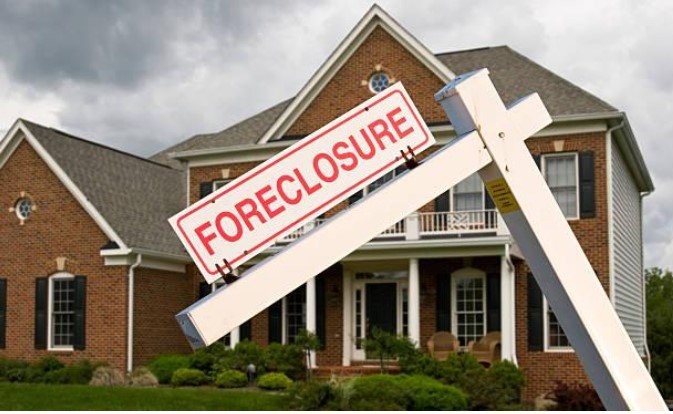
Facing financial hardship and the possibility of losing your home is one of the most stressful situations a homeowner can experience. Missed mortgage payments, job loss, medical expenses, or rising interest rates can quickly make a mortgage unmanageable.
When homeowners fall behind, foreclosure may seem inevitable, but it is not the only option. In many cases, a short sale can offer a more controlled and less damaging alternative, and knowledgeable short sale & mortgage modification attorneys can help homeowners understand whether this path makes sense for their situation.
Understanding the Difference Between Short Sale and Foreclosure
A foreclosure occurs when a lender takes legal action to repossess a home after the borrower defaults on the mortgage. The property is then sold, often at auction, to recover part of the loan balance. Foreclosures are typically lengthy, public, and highly damaging to a homeowner’s credit and financial future.
A short sale, on the other hand, happens when the lender agrees to allow the homeowner to sell the property for less than the amount owed on the mortgage. While the homeowner does not receive proceeds from the sale, the lender agrees to accept the reduced amount to avoid the time and expense of foreclosure.
Less Severe Impact on Your Credit
One of the biggest advantages of a short sale over foreclosure is the impact on your credit score. While both options will negatively affect your credit, a foreclosure generally causes far more damage and stays on your credit report longer. A short sale still reflects financial hardship, but lenders and future creditors often view it as a more responsible attempt to resolve debt.
This difference can make it easier to rebuild credit and qualify for future loans sooner than if you went through foreclosure.
More Control Over the Process
Foreclosure is largely driven by the lender and the court system, leaving homeowners with very little control. Timelines, outcomes, and eviction dates are often dictated by legal proceedings. In contrast, a short sale allows homeowners to play an active role in the process.
You can work with real estate professionals, negotiate terms with the lender, and plan your next steps more thoughtfully. This level of involvement can reduce uncertainty and help families transition more smoothly.
Avoiding the Emotional and Financial Stress of Foreclosure
Foreclosure can be emotionally draining and financially overwhelming. The legal process is public, often involves court hearings, and can result in sudden displacement. Many homeowners also face additional costs such as legal fees, penalties, and potential deficiency judgments.
A short sale is typically less adversarial and can help homeowners avoid the stigma and stress associated with foreclosure. It may also reduce the likelihood of the lender pursuing you for the remaining balance after the sale, depending on the terms of the agreement and applicable state laws.
Potential Tax and Legal Advantages
Foreclosures and short sales can both have tax and legal implications, but short sales may offer certain advantages. In some cases, forgiven mortgage debt from a short sale may be excluded from taxable income, depending on current laws and individual circumstances.
Additionally, lenders are often more willing to negotiate terms in a short sale, which can include waiving deficiency balances or agreeing to more favorable conditions. Having professional guidance ensures these details are properly addressed.
Faster Path to Financial Recovery
Homeowners who complete a short sale may be able to qualify for a new mortgage sooner than those who go through foreclosure. This can be especially important for families hoping to return to homeownership or secure stable housing in the future.
By resolving the mortgage debt in a more cooperative way, a short sale can provide a clearer path forward and help homeowners begin rebuilding their financial stability.
When a Short Sale Makes Sense
A short sale may be a better option if you owe more on your mortgage than your home is worth, cannot afford monthly payments, and want to avoid the long-term consequences of foreclosure. Each situation is unique, and professional advice is essential to determine the best course of action.
Key Takeaways
- A short sale allows homeowners to sell their property for less than the mortgage balance with lender approval.
- Credit damage from a short sale is generally less severe than from foreclosure.
- Short sales give homeowners more control and predictability than foreclosure.
- Emotional stress and public legal proceedings are often reduced with a short sale.
- Short sales may offer tax and legal advantages depending on the circumstances.
- Choosing the right option can lead to a faster financial recovery.